
A Guide to Alcohol & Drug Rehab: Biloxi, Mississippi
Situated along the Gulf Coast in Harrison County, Mississippi, Biloxi is a southern city that falls in the service area of the Gulf Coast High Intensity Drug Trafficking Area (GC HIDTA). GC HIDTA cites meth, heroin, cocaine, pharmaceutical drug misuse, and marijuana as the biggest drug threats in the region.1
If you or someone you care about is struggling with drug or alcohol use, help is available. This page will discuss the many factors affecting substance use and provide helpful information about addiction treatment resources in or near Biloxi, MS.
Addiction is a treatable disease. Find a drug rehab in the South and begin your recovery.
Biloxi, MS, and Drug Misuse Factors
While services for mental health support and addiction treatment are available, individuals without insurance or who receive public assistance may struggle to obtain proper care.
The Mississippi Primary Care Needs Assessment dated March of 2021 reported the following:2
- The 2019 median income for a Mississippi household was $45,081 compared to a national average of $62,843.
- Out of Mississippi residents under age 65, 14% are uninsured. This is 4% higher than the national average.
- Over 37% of Mississippi residents have public health insurance coverage.
- 20% of residents living in Harrison County live below the poverty line.
Mississippi is a very rural state. Close to 80% of its counties are classified as such, which presents additional challenges and barriers to care. Biloxi is part of the Gulfport-Biloxi Metropolitan Statistical Area (MSA), which includes Harrison, Stone, and Hancock counties.2
Biloxi has faced several major natural disasters in recent years, which impacted the socioeconomic stability of its residents. Destruction from Hurricane Katrina, the BP Oil Spill, and in the last few years, the Covid Pandemic each took heavy tolls on the region.3
Harrison County, and therefore Biloxi, is also considered to be in a health professional shortage area (HPSA), which means that there are not enough healthcare providers offering accessible services to the residents. Harrison County scored an 17 on the mental health HPSA scale, with 26 being the worst.2
Residents in Harrison County struggle with depression and anxiety and there is a higher incidence of suicide in the county than in both the state as a whole and the nation.3
Due to the prevalence of mental health issues and their impact on overall health, it is important to know there are options for addiction and mental health treatment within Biloxi and the surrounding area. These can include both public and private Biloxi treatment centers offering a wide range of services.

Mississippi Statistics on Prescription Drug Misuse
The Mississippi Opioid and Heroin Data Collaborative reports that Harrison County ranks first in the state for the number of suspected overdose deaths and revival attempts per county.5 In 2021:5
- There were 92 suspected overdose deaths.
- Naloxone (the opioid antagonist and overdose reversal drug) was administered 451 times.
Harrison County also reported the third-highest number of drug-related arrests (1,512) in 2021.5
MS Prescription Monitoring & Drug Prevention
The statewide initiative Stand Up Mississippi is a collaborative effort to educate people on the potential dangers of opioids and the misuse of prescription medications, as well as to reduce the stigma surrounding addiction. Additionally, much of the focus of the comprehensive effort is to support policies that promote prevention and an expansion of treatment services.
State troopers and narcotics agents now carry the opioid antagonist drug Narcan (naloxone), as part of House Bill 996 passed in 2017 in an attempt to minimize the number of fatal opioid overdoses in Mississippi. HB 996 also set up a standing order in place in Mississippi that allows residents to obtain naloxone at a local pharmacy without needing a prescription.
Biloxi Drug Rehab & Addiction Treatment Resources
Public mental health treatment services are provided through state-run facilities, regional community mental health centers (CMHCs), and nonprofit and community-based providers overseen by DMH.
To find a licensed behavioral health provider in Mississippi, residents can search for DMH Certified Service Providers with the web-based tool by inputting their county of residence and the type of service requested. Drug and alcohol misuse and addiction treatment services can be located by using the Bureau of Alcohol & Drug Resource Directory.
Through regional CMHCs, under the oversight of the Bureau of Alcohol and Drug Services (a division of the Mississippi DMH), the following services are offered to Biloxi residents:
- Prevention services through community providers and local schools
- Crisis and emergency services
- Outreach and educational campaigns
- Detox and acute chemical dependency therapy
- Vocational counseling
- Primary residential services
- Employee Assistance Programs (EAPs)
- Group, individual, and family counseling
- Transitional residential services
- Withdrawal management services, which may include medication management
- Aftercare services
- An intensive short-term (12 week) outpatient program that meets three times a week and is followed by nine months of continuing individual and group therapy on an outpatient basis
- A partnership with the Second Circuit Court District to offer drug court programming
- A state-certified program for individuals convicted of multiple DUIs
- Day treatment programs
- Specialized services for women, children and adolescents, and the elderly
Priority is given to pregnant women for public DMH services. The DMH Helpline can help residents of Mississippi find more information on local treatment options and resources for care.
As part of Region 13, Biloxi is served by DMH crisis services that offer both mobile crisis response teams and crisis stabilization units for emergency services. Private treatment services are also available for local residents seeking comprehensive and specialized care.
Addiction Treatment at Oxford Treatment Center
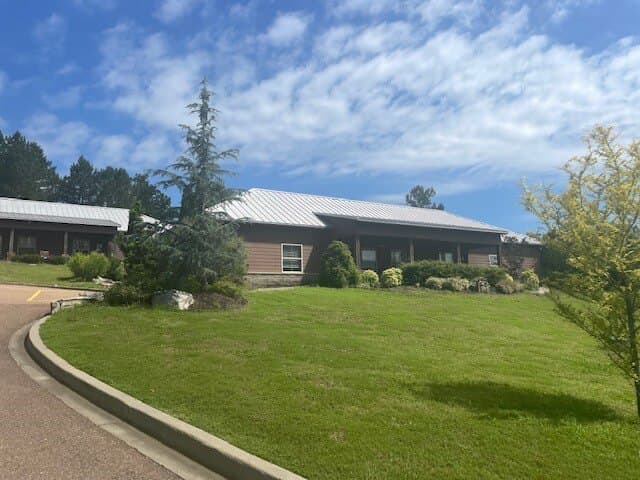
It’s never too late to reach out for help. If you or someone you love is struggling with the devastating effects of addiction and are unsure of where to turn, call us today at . Oxford Treatment Center, American Addiction Centers’ rehab center in Mississippi, is ready to help you get the treatment you need.
Several levels of addiction treatment are available, including medical detox, inpatient rehab, outpatient addiction treatment, and sober living housing.
Admissions navigators are available 24/7 to answer your questions about the treatment admissions process, discuss rehab payment options, and help you determine if your health insurance covers rehab.
You can also quickly and securely . Reach out for help now.
Getting to Oxford from Biloxi
Our Stats
Learn MoreFrequently Asked Questions
2. Mississippi State Department of Health. (2021, March). Mississippi primary care needs assessment.
3. Singing River Health System. (2021, August 25). 2021 community health needs assessment.
4. Centers for Disease Control and Prevention. (2022, January 21). U.S. county opioid dispensing rates, 2020.
5. The Mississippi Opioid and Heroin Data Collaborative. (2022, May 10). Provisional data report calendar year 2021.